Modern automobiles are marvels of mechanical and electronic engineering, designed to operate reliably across thousands of miles and demanding driving conditions. Yet, despite their durability, vehicles rarely fail without advance notice. Long before an engine seizes on a crowded highway or a braking system fails completely, a vehicle will send subtle signals that something is wrong. These early warnings manifest as unusual sounds, tactile vibrations, unexpected smells, or illuminated dashboard icons.
Ignoring these early warning signs is one of the most expensive mistakes a car owner can make. What begins as an inexpensive sensor glitch or a worn rubber seal can rapidly compound into widespread mechanical destruction, leaving you stranded on the side of the road with a massive repair bill. More importantly, operating a vehicle with compromised braking, steering, or structural components poses a severe safety hazard to you, your passengers, and everyone else sharing the roadway.
Learning how to listen to your vehicle and interpret its warning signals empowers you to take decisive action before a minor inconvenience turns into a dangerous emergency. This guide walks you through the top critical warning signs across every major vehicle system, helping you understand what your car is trying to tell you and when it is time to seek professional care.
Critical Braking System Red Flags
Recognize Auditory and Tactile Signals of Stopping Power Loss
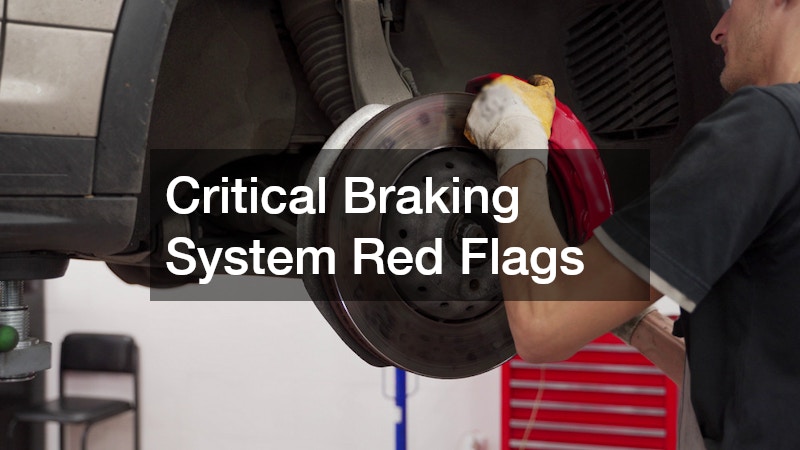
Your vehicle’s braking system is its single most critical safety feature. Designed to convert kinetic energy into thermal energy through friction, brakes operate under extreme heat and pressure. Because components like pads, shoes, and rotors naturally wear down over time, pay close attention to any changes in how your car slows down or stops.
Braking issues typically declare themselves through distinct sound cues and physical feedback through the pedal or steering wheel. Recognizing these cues early allows you to restore full stopping power before metal-on-metal contact ruins expensive hard parts:
- High-pitched squealing or chirping: Modern brake pads are manufactured with built-in metal wear indicators. When the friction material wears down to a critical threshold, this tiny metal tab rubs against the rotor, producing a loud squeal to signal that replacement is due soon.
- Harsh metallic grinding: If the squealing goes unaddressed, the friction padding will wear away completely. The exposed steel backing plate will then grind directly against the iron rotor, causing severe scoring, reduced stopping distance, and immediate danger.
- Spongy or sinking brake pedal: If the pedal feels unusually soft or sinks all the way to the floorboard under foot pressure, air or moisture has entered the hydraulic lines, or the master cylinder is leaking internally.
- Vehicle pulling to one side: If your car veers left or right whenever you apply the brakes, you may have a stuck caliper piston, a collapsed brake hose, or unevenly worn friction pads.
Addressing these symptoms early is essential for highway safety. Scheduling a timely brake repair prevents minor pad wear from destroying your expensive rotors or causing caliper seal failures. Relying on professional auto brake services ensures that worn friction materials are replaced with high-quality components, hydraulic systems are thoroughly bled of air and moisture, and system pressure is restored to factory standards.
Dashboard Indicators and Electrical Glitches

Decode Warning Lights and Electrical Anomalies Before Stalling
Modern vehicles are equipped with dozens of onboard computers and sensors that constantly monitor engine performance, emissions, safety systems, and electrical output. When a sensor detects a parameter operating outside its normal threshold, it triggers a warning light on your instrument cluster. While some indicators simply remind you of routine maintenance, others demand immediate attention.
Understanding the difference between routine alerts and critical failure warnings helps you react appropriately when a light appears on your dashboard:
- Flashing Check Engine Light: While a solid illuminated engine light indicates an emissions or sensor issue that should be checked soon, a flashing light signifies a severe active engine misfire. Operating an engine with a flashing check engine light can dump unburned fuel into the exhaust, destroying the catalytic converter within minutes.
- Battery or charging system light: This icon indicates that the alternator is no longer generating sufficient voltage to run the car and charge the battery. When this light turns on, your vehicle is running purely on remaining battery power and will stall once that reserve is drained.
- Illuminated oil pressure warning: Low oil pressure means internal engine components are not receiving adequate lubrication. Continuing to run an engine with the oil light illuminated can cause total bearing failure and catastrophic engine destruction within miles.
- Flickering lights or electrical resets: If your headlights dim when idling or your digital dash resets unexpectedly, your charging system is experiencing voltage spikes or grounding faults.
Deciphering complex electronic faults requires modern diagnostic equipment. Taking your vehicle in for auto diagnostics services allows certified technicians to pull diagnostic trouble codes, evaluate live sensor telemetry, and pinpoint root electrical causes. Partnering with experienced local mechanics ensures these codes are interpreted correctly, preventing unnecessary component swaps and restoring electrical reliability.
Unusual Engine Sounds, Vibrations, and Performance Drops
Identify Engine Knocks, Transmission Hesitations, and Handling Shifts
Your vehicle’s drivetrain—the engine, transmission, driveshaft, and differential—is a complex assembly of high-speed rotating parts. When all components are in good condition, power delivery is smooth, quiet, and predictable. However, as mechanical tolerances widen due to friction, heat, or age, the drivetrain will begin to produce distinct sounds and physical vibrations that indicate mechanical distress.
Never ignore changes in how your vehicle sounds under acceleration or feels when shifting gears. Common physical indicators of drivetrain wear include:
- Deep metallic knocking or tapping: A heavy, rhythmically fast knocking sound coming from deep within the engine block often points to worn rod bearings or crankshaft damage caused by oil starvation.
- Transmission slipping or harsh engagement: If engine RPMs surge high without an accompanying increase in speed, or if the vehicle shifts with a violent clunk, your transmission is suffering from low fluid pressure, worn clutch packs, or valve body failure.
- Steering wheel shimmy at high speeds: A rapid vibration felt through the steering wheel at highway speeds usually points to unbalanced front wheels, a thrown wheel weight, or uneven tire wear.
- Clunking over bumps: Sharp metallic popping or clunking sounds when driving over bumps or making sharp turns indicate worn ball joints, damaged control arm bushings, or failing sway bar links.
Resolving internal mechanical faults requires specialized shop facilities and deep mechanical expertise. Visiting a fully equipped car repair shop gives technicians access to vehicle lifts, hydraulic presses, and precision alignment tools needed to rebuild suspension setups and overhaul drivetrains. Furthermore, if you drive a high-mileage or vintage vehicle, consulting an experienced old car mechanic ensures your vehicle receives specialized care tailored to legacy mechanical systems, carbureted fuel setups, and classic steering geometry.
Structural, Body, and Glass Damage Compromises

Address Frame Stress, Body Damage, and Windshield Cracks Promptly
When considering vehicle care, drivers often focus exclusively on the mechanical components under the hood while overlooking structural and cosmetic elements. However, your car’s body, frame, and glass play a fundamental role in passenger safety. Modern vehicles use unibody construction and engineered crumple zones to absorb impact energy during a crash, keeping the cabin intact.
Any damage that compromises this structural integrity undermines the safety design of your vehicle:
- Spreading windshield chips or star fractures: A small stone chip might seem minor, but changing cabin temperatures, structural body flex, and road vibrations will cause that chip to expand across the glass.
- Cracks extending to the windshield edge: The windshield provides up to 30 percent of a vehicle’s structural roof strength during a rollover accident and acts as a backstop for passenger airbag deployment. A cracked windshield loses its structural rigidity.
- Uneven door or trunk gaps: If your vehicle doors become difficult to latch, or if the gaps around the hood and trunk look uneven after a minor bump, the unibody frame may be tweaked or bent out of square.
- Rust perforations along rocker panels or frame rails: Surface rust is cosmetic, but deep structural rust that eats through frame rails, floor pans, or suspension mounting points severely weakens the vehicle during an impact.
Maintaining these structural systems requires specialized body repair facilities. Utilizing professional auto glass repair services allows trained technicians to resin-fill minor chips before they spread, or perform full windshield replacements using factory-grade adhesives that preserve structural safety. Similarly, taking a vehicle that has suffered a collision impact to a certified auto body shop ensures frame alignment is verified with laser measurement equipment and crash absorption zones are properly restored. This attention to detail is crucial not only for the vehicle’s performance but also for the safety of its occupants.
Additionally, regular inspections and timely repairs can prevent minor issues from escalating into more significant, costly problems, ultimately extending the lifespan of the vehicle. Investing in quality repairs maintains the integrity of the vehicle, enhancing its resale value and providing peace of mind for drivers.
Overheating, Fluid Leaks, and Emergency Response Protocols

Handle Coolant Spikes, Fluid Puddles, and Roadside Breakdown Hazards
A vehicle relies on various specialized fluids to lubricate moving parts, transfer hydraulic pressure, and dissipate extreme heat. When fluid levels drop due to leaks or when cooling systems fail to circulate coolant effectively, catastrophic system damage can occur in minutes. Heat is an engine’s worst enemy; excessive temperatures warp cylinder heads, blow head gaskets, and scorch internal metal surfaces.
Being proactive means regularly inspecting the ground under your parked vehicle and keeping a close eye on cabin gauges:
- Brightly colored puddles beneath the engine: Clean green, pink, or orange fluid indicates a cooling system leak from a hose, water pump, or radiator. Bright red fluid points to a transmission fluid leak, while dark brown or black fluid indicates engine oil.
- Clear, oily fluid near the wheels: An oily, clear-to-amber fluid near the tires or master cylinder usually signifies a dangerous leak in the hydraulic brake lines.
- Temperature gauge rising into the red zone: If your temperature gauge spikes toward hot or a red coolant warning light turns on, your cooling system is no longer dissipating engine heat.
- Sweet chemical smell or steam: A sweet smell inside the cabin indicates a leaking heater core, while white steam billowing from under the hood means coolant is boiling out of the overflow tank or a pressurized hose has burst.
If your engine overheats or fluid leaks compromise steering or braking, do not attempt to drive the vehicle to a service center. Continuing to run an overheating engine will cause permanent structural damage to the block. Pull over safely, turn off the ignition, and arrange for professional towing services to transport your vehicle safely without inflicting further mechanical damage. Once at a facility, a complete auto repair service will perform pressure tests, repair damaged cooling passages, and replace blown seals to restore thermal protection.
In addition, it’s crucial to address any warning lights on your dashboard before they escalate into more serious issues. Regular maintenance checks can help identify potential problems early on, preventing unexpected breakdowns. After your vehicle has been repaired, consider implementing a more proactive maintenance schedule to ensure its reliability and longevity on the road. Always keep an eye on fluid levels and temperature gauges to avoid similar situations in the future.
Conclusion
Your vehicle is a complex machine that relies on every component working in harmony to keep you safe on the road. While mechanical wear and tear is an inevitable part of driving, severe component breakdowns rarely happen without advance warning. By paying close attention to unexpected sounds, unusual vibrations, illuminated warning lights, and fluid leaks beneath your car, you can identify minor issues before they escalate into dangerous and costly failures.
Establishing a habit of routine visual checks and trusting your instincts when your vehicle feels or sounds different is the best defense against sudden breakdowns. When you notice a warning sign, take action immediately rather than waiting for the problem to resolve itself. By partnering with qualified technicians and addressing repairs promptly, you protect your financial investment, extend your vehicle’s operating lifespan, and ensure every journey is as safe and reliable as possible.