Keeping a vehicle in good condition involves more than changing the oil and replacing worn tires. Over time, vehicles face everything from cosmetic damage and broken glass to security issues, mechanical problems, and changing transportation demands. Addressing these concerns as they arise can help preserve the vehicle’s condition while making it more comfortable, practical, and reliable to drive.
Different vehicles also require different approaches. A family car used for school runs and weekend activities may have very different needs from a work truck that regularly carries heavy loads. Even the same vehicle may require different improvements as its owner’s circumstances change. Taking a thoughtful approach to maintenance allows you to prioritize the areas that matter most.
Protect Your Vehicle From Common Security Problems

Vehicle access problems can happen unexpectedly, whether you have misplaced your keys, locked them inside the car, or experienced an issue with a key or lock. Having a plan for these situations can prevent a relatively minor problem from becoming a major disruption to your day. A car locksmith can provide professional assistance with vehicle locks, keys, and other access-related concerns.
It is worth thinking about vehicle security before an emergency occurs. Keep important information about your vehicle readily available and consider having a spare key stored somewhere secure. Modern vehicles may also use electronic key systems, so replacement options can vary significantly between makes and models.
Useful precautions include:
- Keep a spare key in a secure and accessible location.
- Know your vehicle’s make, model, and year before requesting assistance.
- Address damaged locks or malfunctioning keys rather than waiting for complete failure.
- Keep roadside assistance information readily available.
- Avoid attempting repairs that could damage electronic components.
Taking these steps can make unexpected access problems easier to handle while protecting the vehicle from unnecessary damage.
Address Paint Damage Before It Spreads
Paint protects the exterior of a vehicle while contributing significantly to its appearance. Scratches, chips, peeling areas, and fading can make a vehicle look neglected, but cosmetic damage can also expose underlying materials to moisture and other environmental conditions. Addressing noticeable damage can therefore be part of maintaining the vehicle rather than simply improving its appearance.
Professional car painting may be appropriate when the existing finish has extensive damage, significant fading, or areas that cannot be restored through smaller repairs. The right approach depends on the condition of the existing paint and the extent of the affected area. A professional can assess whether localized work or a more comprehensive refinish makes sense.
Before proceeding with paint work, consider:
- The overall condition of the existing finish
- Whether damage is limited to certain panels
- How closely new paint needs to match existing areas
- Whether underlying body damage also needs attention
- How the vehicle is exposed to weather and road conditions
Taking care of paint problems before they become more extensive can help maintain the vehicle’s appearance and protect its exterior for longer.
Improve Cabin Comfort and Driving Visibility
The interior environment can have a significant effect on driving comfort, particularly when a vehicle is regularly exposed to strong sunlight. Excessive heat, glare, and direct sunlight can make driving less comfortable and may affect how easily occupants can see through the windows. Improving the vehicle’s window treatment can address some of these concerns while changing its overall appearance.
When considering auto tint, vehicle owners should look beyond appearance. Different tint options can provide different levels of light reduction, privacy, and heat control. It is also important to understand applicable laws governing window tint because permissible levels can vary depending on the location and the specific window.
Before choosing a tint option, consider:
- Which windows can legally be tinted
- How much light you want to block
- Whether reducing glare is a priority
- How the tint will complement the vehicle’s appearance
- The quality and durability of the installation
Professional installation can also produce a cleaner result than poorly fitted film. Choosing an appropriate option based on both comfort and visibility can make regular driving more pleasant without compromising practical considerations.
Repair Exterior Damage Before It Becomes a Bigger Problem
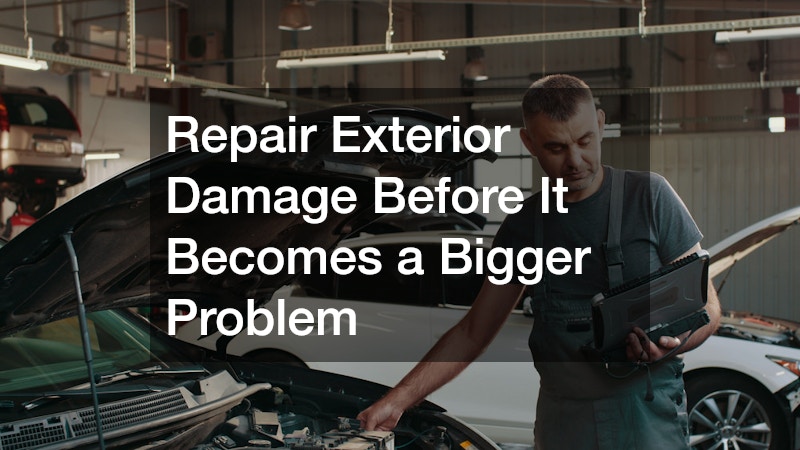
Dents, damaged panels, scrapes, and collision-related damage can affect more than a vehicle’s appearance. Depending on where damage occurs, it may interfere with doors, lights, sensors, panels, or other components. Even seemingly minor damage can warrant professional assessment, particularly after an accident.
An auto body service can evaluate exterior damage and determine what repairs are appropriate. This may involve repairing individual panels, replacing damaged components, restoring surfaces, or addressing underlying structural concerns. The appropriate solution depends on the type and severity of the damage.
After exterior damage occurs, consider these steps:
- Document the damage as soon as possible.
- Check whether doors, windows, and other components still operate properly.
- Look for damage around lights and sensors.
- Have significant collision damage professionally evaluated.
- Address exposed or deteriorating surfaces rather than allowing damage to worsen.
Prompt attention can help prevent a small exterior problem from becoming more complicated. It can also restore the vehicle’s appearance while addressing functional concerns that may not be obvious at first glance.
Inspect Damaged Glass for Safety Concerns
Vehicle glass plays an important role in visibility and the overall driving environment. A small chip or crack may initially seem insignificant, but damage can expand or interfere with a driver’s view. Scratches, cracks, and other defects should therefore be evaluated based on their location, size, and severity rather than simply ignored.
When inspecting auto glass, pay particular attention to damage within the driver’s primary field of vision. Windshield damage can also become more problematic when exposed to temperature changes, road vibration, or additional impacts. The appropriate repair or replacement option depends on the specific circumstances.
Look for:
- Cracks that appear to be spreading
- Chips near the edges of the glass
- Damage directly within the driver’s line of sight
- Scratches that interfere with visibility
- Problems with seals or surrounding trim
Keeping the glass in good condition supports clear visibility and a safer driving environment. Addressing damage promptly may also prevent a manageable problem from becoming more extensive and requiring a larger repair.
Consider Protective Changes to Your Vehicle’s Exterior
Vehicle owners sometimes want to change the appearance of their cars without committing to permanent paint modifications. Exterior films can provide a way to alter the vehicle’s appearance while also adding a layer between the original finish and everyday environmental exposure. This can be particularly useful for owners who want greater flexibility in how their vehicle looks.
An auto wrap can involve a complete color change or a more limited application depending on the desired result. Before selecting a material or design, consider how the finished vehicle will be used and how long the change is expected to remain in place.
Important considerations include:
- The condition of the underlying paint
- The type and quality of the wrapping material
- The desired finish and appearance
- Whether the design covers the entire vehicle
- How the vehicle is stored and maintained
- Whether the wrap can be removed without damaging the underlying finish
A wrap is not a substitute for repairing significant exterior damage. Preparing the vehicle properly first can produce a better result and prevent existing problems from being hidden beneath the new exterior treatment.
Know When Professional Glass Work Is Necessary
Not every glass problem can be handled the same way. A minor chip may have different repair considerations from a cracked windshield, broken side window, or damaged seal. Understanding when professional attention is appropriate can help vehicle owners avoid continued visibility problems or additional damage.
Professional auto glass services can address a range of issues involving windshields, windows, seals, and related components. Proper installation is particularly important because vehicle glass needs to fit correctly within the surrounding structure. An improperly installed component can create additional problems with leaks, wind noise, visibility, or other vehicle functions.
Consider professional evaluation when you notice:
- A crack that is increasing in size
- Glass damage that obstructs your view
- A broken side or rear window
- Water entering around a window or windshield
- Loose or deteriorating surrounding seals
- Glass that does not fit correctly after previous work
Addressing these problems promptly can restore visibility and help prevent a damaged glass component from creating additional problems. Professional assessment also helps determine whether repair or replacement is the more appropriate solution.
Choose Transportation Based on Your Actual Needs
Vehicle needs can change significantly when circumstances shift. Moving equipment, transporting large items, taking on a temporary project, or accommodating additional passengers may require more capacity than a personal vehicle provides. Instead of trying to make an unsuitable vehicle handle a demanding task, temporary transportation can sometimes provide a more practical solution.
Truck rentals can be useful when additional cargo capacity is needed for a specific period. The right choice depends on what needs to be transported, how much space is required, and how the vehicle will be used. It is important to consider the rental vehicle’s size and capabilities rather than automatically choosing the largest available option.
Before renting, determine:
- What materials or equipment need to be transported
- How much cargo space is actually necessary
- Whether towing capacity is relevant
- How long the vehicle will be needed
- What licensing or usage requirements apply
- Whether loading and unloading will be practical
Using temporary transportation when appropriate can reduce unnecessary wear on a personal vehicle. It can also provide greater flexibility without requiring a permanent vehicle upgrade for a need that may only occur occasionally.
Pay Attention to Transmission Performance in Work Vehicles
Work vehicles often face demanding conditions that can place additional stress on their drivetrain components. Regular hauling, towing, frequent starts and stops, and heavy loads can all affect how a vehicle performs. Paying attention to changes in transmission behavior can help identify problems before they interfere with important work.
A diesel truck transmission can experience issues that affect shifting, acceleration, or overall drivability. Warning signs may include delayed engagement, slipping, unusual noises, difficulty shifting, or unexpected changes in how the vehicle responds. These symptoms should not automatically be attributed to normal wear, particularly when they appear suddenly or become progressively worse.
Vehicle owners should pay attention to:
- Delayed or harsh gear changes
- Transmission fluid leaks
- Unusual sounds during shifting
- Slipping between gears
- Changes in acceleration or responsiveness
- Warning lights on the dashboard
Routine maintenance and professional inspections can help identify developing problems. For vehicles that are essential to work or business operations, addressing transmission concerns before a breakdown can also reduce the disruption caused by unexpected downtime.
Keep Your Vehicle Ready for Your Family’s Changing Schedule
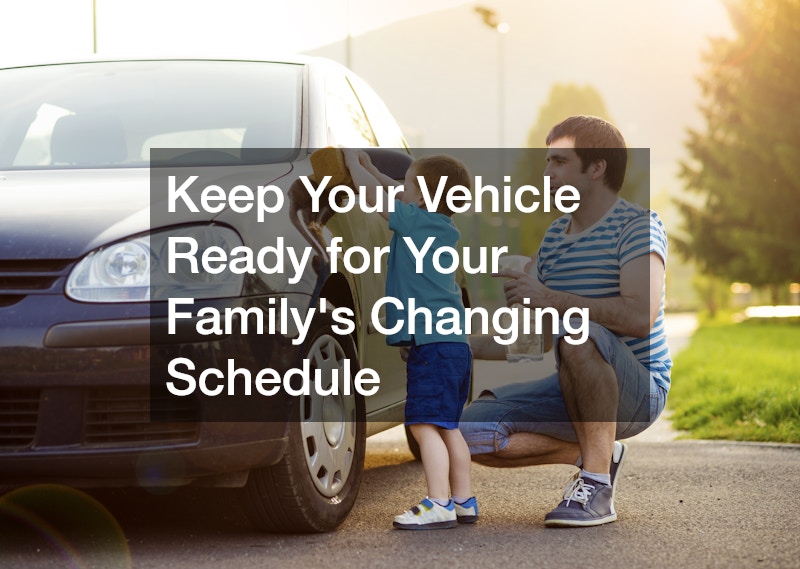
A vehicle’s needs can change as household routines evolve. School schedules, sports, hobbies, weekend travel, and extracurricular activities can all increase the amount of time a vehicle spends on the road. More frequent driving may also mean that maintenance needs become more important, particularly when the vehicle carries passengers and equipment regularly.
Preparing the vehicle around those changing demands can make daily transportation easier. Think about how much equipment needs to be carried, how many passengers typically ride in the vehicle, and whether trips involve short local drives or longer distances.
Practical steps include:
- Keep frequently used equipment organized and secured.
- Check tire condition regularly when driving increases.
- Maintain clear visibility through all windows and mirrors.
- Keep emergency supplies appropriate for the vehicle and its use.
- Schedule maintenance around periods of heavier driving.
- Remove unnecessary items that take up valuable cargo space.
A vehicle that works well for changing schedules is easier to rely on when responsibilities increase. Planning around actual daily use can also reveal when an improvement, repair, or different transportation arrangement would provide greater practicality.
Maintaining and improving a vehicle is an ongoing process that involves much more than routine mechanical work. Security, paint, window treatments, exterior damage, glass condition, transportation needs, drivetrain performance, and changing family schedules can all influence how effectively a vehicle serves its owner.
The most useful improvements are those that support the way a vehicle is driven and maintained over time. Cosmetic upgrades should complement the vehicle’s condition, repairs should address functional concerns, and transportation decisions should reflect realistic needs rather than temporary pressure. Whether you drive a personal car, a family vehicle, or a work truck, taking a proactive approach can help keep it useful, comfortable, and dependable as your circumstances change.