
Car ownership comes with a steady stream of advice—from friends, family, online forums, and even well-meaning strangers at the gas pump. Unfortunately, not all of that advice is accurate. Many common beliefs about vehicle maintenance are outdated, oversimplified, or just plain wrong, and following them can quietly drain your wallet over time.
Understanding what your car actually needs—and when—can help you avoid unnecessary repairs, extend the life of your vehicle, and reduce long-term costs. This article breaks down some of the most persistent car maintenance myths and replaces them with practical, cost-saving insights you can use right away.
1. Waiting Until Cooling Problems Become Severe
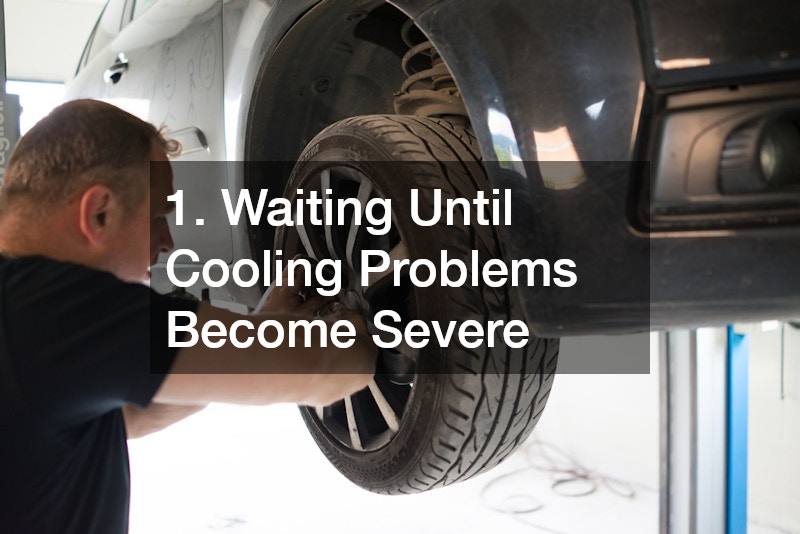
One of the most expensive mistakes drivers make is assuming climate-control issues can wait until they become unbearable. Many people ignore early warning signs because the system still “kind of works,” but this mindset often leads to much higher repair costs later. What begins as a minor inconvenience can quietly escalate into a system-wide failure that affects comfort, safety, and resale value.
Why this myth costs you money
Minor cooling issues often signal small problems such as refrigerant leaks, worn seals, or failing sensors. When left unaddressed, these issues force the system to work harder to achieve the same results. Over time, that added strain can cause the compressor to overheat or fail entirely, one of the most expensive components to replace. In some cases, contamination spreads through hoses and lines, multiplying repair costs and increasing downtime.
Early signs drivers overlook
- Weak airflow from vents
- Air that cools inconsistently
- Unusual noises when the system turns on
- Musty or unpleasant odors
These symptoms rarely fix themselves. Addressing them early often keeps auto ac repairs limited and affordable rather than extensive and costly.
Cost-saving habits
- Run your cooling system periodically, even in cooler months, to keep seals lubricated
- Replace cabin air filters on schedule to maintain airflow and efficiency
- Have the system checked during routine inspections to catch leaks or wear early
Small, proactive steps help maintain comfort, improve efficiency, and prevent minor issues from turning into major expenses that strain both your budget and your patience.
2. Assuming Lock and Key Issues Are Rare and Minor
Many drivers believe lock and key problems are one-time inconveniences rather than ongoing maintenance concerns. This mindset can lead to stressful emergency situations, such as being locked out of a vehicle or facing ignition failure, which often come with significantly higher costs than routine preventive care. Modern vehicles rely on more complex locking systems and electronic keys, making early attention to potential issues critical.
The hidden risks
Vehicle locks and keys naturally wear down over time due to repeated use, exposure to elements, and mechanical stress. Modern keys often incorporate electronic chips, transponders, or remote fobs, which can fail gradually rather than suddenly. Ignoring minor signs of malfunction increases the likelihood of emergencies, potentially leaving you stranded or requiring costly replacement of entire locking systems.
Warning signs to watch for
- Keys that stick, feel loose, or require jiggling to turn
- Remote fobs that respond inconsistently or intermittently
- Locks that feel stiff, misaligned, or difficult to engage
Addressing these signs early by working with auto locksmiths can prevent emergency calls and reduce both repair costs and stress.
Prevention tips
- Replace worn keys before complete failure occurs
- Promptly address sticking or misaligned locks
- Keep spare keys and fobs updated and functional
Routine inspections and proactive maintenance are far more cost-effective than paying for emergency repairs, ensuring both convenience and vehicle security while extending the life of your locks and keys.
3. Believing Cosmetic Damage Doesn’t Affect Performance
Scratches, dents, and small chips are often dismissed as purely cosmetic issues, but this belief can be surprisingly costly over time. While a minor blemish may seem insignificant, it can quickly escalate into more serious problems that affect both the appearance and structural integrity of your vehicle. Ignoring small exterior damage often leads to extensive repairs that could have been prevented with timely attention.
Why appearance matters more than you think
Even small scratches or chips can expose metal surfaces to moisture, air, and road salts. Once the protective paint layer is breached, rust can begin forming beneath the surface, gradually spreading to surrounding areas. Over months or years, this corrosion can compromise panels, doors, and structural components, reducing the vehicle’s safety and resale value.
How small damage becomes big repairs
- Paint chips allow corrosion to begin: Even minor spots can grow under repeated exposure to moisture.
- Dents can weaken panel alignment: Misaligned panels can affect doors, hoods, and trunk closures.
- Cracks near seams can spread under stress: Temperature changes and road vibrations accelerate damage.
Timely auto body services can address these issues at a fraction of the cost of extensive repairs later, preventing minor cosmetic flaws from turning into major structural concerns.
Smart repair timing
- Fix paint damage early to prevent rust from taking hold.
- Address dents that interfere with panel alignment promptly.
- Schedule inspections after minor collisions to catch hidden damage.
Maintaining your vehicle’s exterior isn’t just about looks—it’s an investment in longevity, safety, and long-term value. Regular attention preserves both function and aesthetics while saving money over time.
4. Thinking Any Shop Can Service Any Vehicle Equally
It’s a common belief that all repair shops provide the same level of service, but in reality, experience, familiarity, and specialization make a significant difference in both the quality of repairs and long-term costs. Choosing the right shop can prevent repeated issues, unnecessary repairs, and higher expenses over time. Not all mechanics are equally equipped to handle every type of vehicle, and even small differences in expertise can dramatically affect the lifespan and performance of your car.
Why shop selection matters
Vehicles vary widely in design, technology, and maintenance requirements. Technicians who regularly service a particular make or model are far more likely to identify problems quickly and accurately. Shops familiar with local conditions—such as climate, road quality, and common wear issues—can also provide advice tailored to your driving environment. This knowledge helps prevent minor issues from escalating into expensive repairs.
Advantages of working with local expertise
- Better understanding of regional driving conditions that affect vehicle wear
- Faster diagnosis due to familiarity with common issues
- Consistent service history that helps avoid repeat repairs
Building a relationship with trusted local mechanics ensures that your car receives care from professionals who know its history and quirks.
Cost-saving strategies
- Stick with one shop whenever possible to maintain continuity
- Keep detailed service records for accurate diagnosis and future reference
- Ask about preventive maintenance schedules to address issues before they become serious
Consistency and familiarity reduce trial-and-error repairs, helping drivers save both time and money while ensuring their vehicle remains reliable and safe for years to come.
5. Ignoring Subtle Warning Signs in the Braking System
Many drivers assume that braking systems only need attention when stopping power is noticeably reduced, but by the time problems become obvious, damage is often far more extensive—and significantly more expensive to repair. Brakes are a critical safety component, and even minor issues can affect vehicle control, efficiency, and longevity if left unaddressed. Early maintenance is essential to avoid costly repairs and to ensure safe driving conditions.
Early indicators drivers often dismiss
- Squealing or grinding noises: High-pitched sounds usually indicate worn brake pads or material buildup.
- Vibrations when stopping: Pulsations in the brake pedal or steering wheel can signal warped rotors or uneven wear.
- Slight pulling to one side: This may indicate uneven pad wear, caliper issues, or fluid imbalance.
- Increased stopping distance: Even subtle increases can point to declining braking efficiency.
Addressing these symptoms early often allows simple, affordable solutions, such as replacing pads or resurfacing rotors, rather than full-scale brake overhauls.
How delays increase costs
Neglecting minor brake issues can cause damage to rotors, calipers, and hydraulic components, escalating a small fix into a major repair. What could have been a relatively inexpensive pad replacement may become a full rotor replacement, caliper repair, or hydraulic system rebuild.
Best practices for brake longevity
- Pay attention to subtle changes in braking feel and responsiveness
- Schedule inspections during routine tire rotations
- Replace worn components before they compromise other parts
Consistent attention to brake systems not only protects your safety but also preserves your budget, preventing costly repairs while maintaining reliable stopping performance.
6. Assuming Professional Cleaning Is Only for Appearance
Professional cleaning is often viewed as a luxury, but this misconception can lead to premature wear inside and outside your vehicle.
Why cleanliness affects longevity
Dirt, salt, and debris accelerate wear on paint, upholstery, and trim. Interior grime can also affect switches, vents, and controls over time.
Benefits beyond aesthetics
- Protects paint from oxidation
- Preserves upholstery and interior surfaces
- Helps identify leaks or wear early
An occasional auto detailing service can prevent deterioration that leads to costly replacements.
Smart detailing habits
- Clean salt residue promptly in winter
- Protect dashboards and seats from UV damage
- Schedule deep cleaning before problems develop
Preventive care extends the life of both visible and hidden components.
7. Thinking Window Modifications Are Purely Cosmetic
Many drivers view window treatments as optional style upgrades, overlooking their practical financial benefits.
Why untreated glass costs more
Sun exposure accelerates interior fading, dries out materials, and increases cabin heat. This puts additional strain on climate systems and interior components.
Long-term advantages
- Reduces interior heat buildup
- Protects upholstery and dashboards
- Improves driving comfort
Quality windshield tint helps maintain interior condition, reducing repair and replacement costs over time.
Practical considerations
- Choose legally compliant options
- Focus on heat and UV protection
- Combine with interior care for maximum benefit
Functional upgrades often pay for themselves through reduced wear.
8. Believing Heavy-Duty Vehicles Can Handle Neglect
There’s a widespread belief that diesel-powered vehicles are inherently tougher and therefore require less attention. In reality, neglect can be even more costly with these systems.
Why this myth is expensive
Diesel engines rely on precision components and clean systems. Small issues like clogged filters or fuel contamination can quickly escalate into major failures.
Common overlooked needs
- Fuel system maintenance
- Emissions component inspections
- Cooling and lubrication checks
Routine visits to a diesel repair service help catch issues early, minimizing downtime and repair costs.
Preventive habits
- Follow strict service intervals
- Address warning lights immediately
- Use quality fluids and filters
Durability doesn’t eliminate the need for care—it makes preventive maintenance even more important.
9. Waiting for Major Failures in Gear-Shifting Systems
Many drivers believe transmission problems appear suddenly and catastrophically, but in reality, warning signs often appear long before failure.
Early symptoms often ignored
- Delayed or rough shifting
- Unusual noises when changing gears
- Fluid leaks or burning smells
Addressing these signs early can keep repairs manageable.
Cost difference between early and late action
Minor adjustments, fluid services, or sensor replacements are far less expensive than full rebuilds or replacements handled by transmission mechanic shops.
Smart maintenance practices
- Check fluid condition regularly
- Address performance changes promptly
- Follow manufacturer service intervals
Proactive attention significantly reduces the risk of major transmission expenses.
10. Replacing Tires Only When They Look Worn Out

Many drivers rely solely on visual tread depth to determine tire replacement timing, overlooking other factors that affect safety and cost.
Why appearance isn’t everything
Tires degrade with age, heat, and environmental exposure—even if tread remains. Poor alignment or balance can also cause uneven wear that increases fuel consumption.
Hidden costs of worn tires
- Reduced fuel efficiency
- Increased strain on suspension
- Poor handling and braking performance
Regular evaluations and timely new tire services help avoid these cascading expenses.
Smarter tire strategies
- Monitor tire age, not just tread
- Rotate and balance regularly
- Address alignment issues promptly
Proper tire care protects more than just your wheels—it safeguards multiple vehicle systems.
Car maintenance myths often seem harmless, but over time they can lead to unnecessary repairs, higher operating costs, and reduced vehicle lifespan. By understanding what your car truly needs and addressing issues early, you can avoid the financial traps created by outdated advice and assumptions. Smart, informed maintenance isn’t about spending more—it’s about spending wisely and protecting your investment for the long haul.