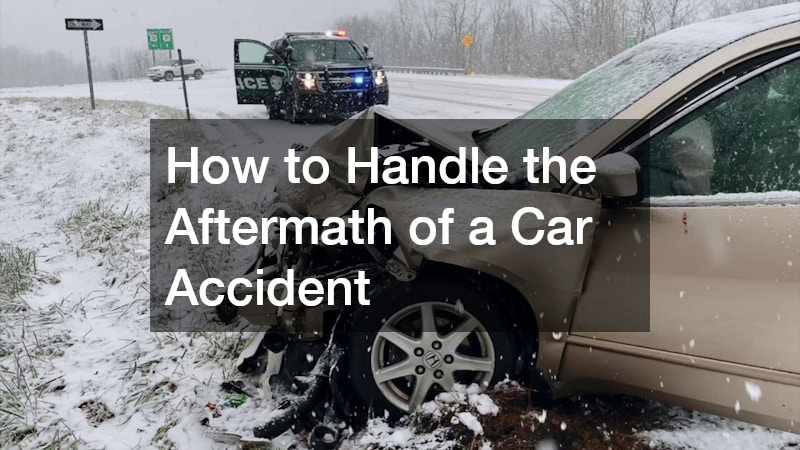
A collision with a commercial semi-truck, tractor-trailer, or eighteen-wheeler is one of the most violent and traumatic events a driver can experience on the road. Due to the massive size and weight differential between commercial rigs and standard passenger cars, trucking accidents frequently result in severe injuries, extensive vehicle damage, and overwhelming emotional shock. In a split second, a routine commute can transform into a life-altering crisis.
Navigating the aftermath of a commercial truck accident is vastly different from handling a typical minor fender bender. Commercial trucking companies operate under complex federal and state safety regulations, carry multi-million-dollar insurance policies, and employ rapid-response legal teams whose primary objective is to minimize corporate liability. From the moment the collision occurs, the trucking company and its insurance adjusters begin building a defense to protect their bottom line.
To protect your health, your physical safety, and your legal rights, you must take swift, strategic action immediately following a collision. Knowing what steps to take—and what mistakes to avoid—at the crash scene, during medical treatment, and throughout the legal claims process can make the difference between a denied claim and a full financial recovery. This comprehensive guide outlines the vital steps you must take to safeguard your physical well-being and protect your legal interests after a trucking crash.
Scene Safety, Emergency Medical Care, and Immediate Response
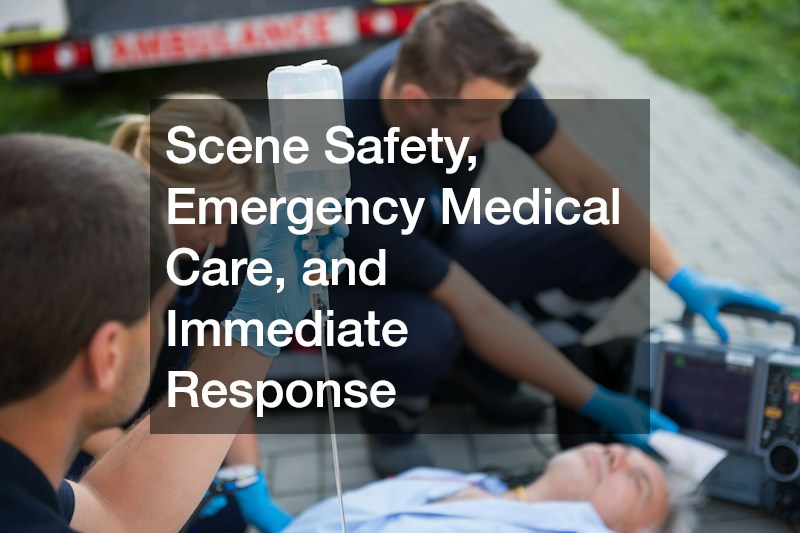
The moments immediately following a collision with a commercial vehicle are chaotic and dangerous. Your highest priority at the scene must always be personal safety, checking for injuries, and securing immediate emergency medical assistance for anyone involved.
If your vehicle is still mobile and stopping in active traffic lanes creates an immediate hazard, carefully steer your car to the shoulder or a safe emergency lane. If your vehicle is disabled, turn on your hazard lights immediately to warn oncoming traffic, especially during nighttime hours or poor weather conditions. Stay inside your vehicle with your seatbelt buckled if stepping outside puts you at risk of being struck by passing highway traffic.
Next, assess yourself and your passengers for injuries. Severe collisions generate immense kinetic force that frequently causes spinal trauma, internal bleeding, or traumatic brain injuries. Avoid moving anyone who complains of severe neck, back, or spinal pain unless staying inside the vehicle presents an immediate threat, such as an active engine fire.
Call 911 immediately to report the crash to law enforcement and request emergency medical services (EMS). When speaking to the dispatcher, state your exact location, the number of vehicles involved, and whether anyone appears trapped or severely injured. When investigating officers arrive, provide a clear, factual account of what happened, but avoid speculating about speed, apologizing, or admitting fault.
- Move to safety if possible: Pull your vehicle to the emergency shoulder or exit the roadway if active traffic poses an immediate secondary collision risk.
- Request emergency first responders: Call 911 right away to dispatch police officers, paramedics, and fire rescue personnel to the scene.
Documenting the Crash Scene and Preserving Vital Evidence
While waiting for emergency personnel to arrive—or after receiving initial medical attention—begin gathering physical evidence at the scene if your health allows. Commercial trucking accidents require meticulous documentation because physical evidence can be cleared, repaired, or altered rapidly once tow trucks clear the roadway.
Use your smartphone camera or video recorder to capture extensive visual evidence from multiple angles. Photograph the final resting positions of all vehicles, skid marks on the pavement, shattered glass, broken vehicle components, weather conditions, road hazards, and active traffic control signs. Be sure to photograph the commercial truck from every side, taking clear shots of the license plate, USDOT registration numbers, trailer numbers, and corporate branding logos printed on the cab doors.
In addition to photographing vehicle damage, inspect the immediate environment for physical impacts. Document damaged guardrails, broken trees, tire tracks across shoulders, or structural impacts to nearby commercial properties, including compromised security gates or damaged garage doors. Detailed photos of structural impacts help accident reconstruction experts calculate the speed and force of the heavy truck prior to impact.
Finally, exchange essential contact and insurance details with the truck driver. Collect the driver’s full name, commercial driver’s license (CDL) number, phone number, motor carrier name, and insurance policy details. If there were independent witnesses standing nearby, collect their names, phone numbers, and brief notes on what they observed before they depart the crash site.
- Photograph all vehicle damage: Take high-resolution photos of the commercial truck, your passenger car, and any secondary vehicles involved.
- Capture environmental evidence: Document skid marks, road hazards, weather conditions, sightlines, and damaged roadside infrastructure.
Securing Specialized Legal Representation and Navigating Trucking Claims
Unlike standard auto accidents between two passenger cars, commercial trucking claims involve complex federal transportation laws, multiple corporate entities, and massive commercial liability policies. Navigating this legal maze alone exposes you to aggressive insurance tactics designed to minimize payout amounts.
Retaining an experienced car accident lawyer early in the process levels the playing field against wealthy trucking corporations and their insurers. Commercial trucking companies are backed by legal teams that often deploy rapid-response investigators to the crash site within hours of a major collision. Having an independent legal advocate working on your behalf ensures your rights are protected from day one.
A skilled accident attorney will immediately take steps to preserve critical evidence that could otherwise be erased or destroyed under routine corporate retention schedules. Your attorney can issue formal Spoliation Letters to the trucking fleet, legally demanding that they preserve black box data (Event Data Recorders), dashcam video files, Electronic Logging Device (ELD) hours-of-service records, driver qualification files, and post-accident drug testing results.
Furthermore, your legal team will handle all communication with insurance adjusters. Trucking company adjusters are trained to ask leading questions that trick unrepresented victims into making statements that harm their claims. Directing all inquiries to your legal representative prevents you from making accidental admissions during a vulnerable time.
- Hire specialized legal counsel: Partner with a lawyer who possesses specific experience in commercial motor carrier regulations and complex injury claims.
- Issue immediate spoliation notices: Send formal legal demands to preserve electronic black box data, dashcam footage, and driver logs.
Partnering with Local Legal Advocates and Navigating Medical Evaluation
Recovering from a catastrophic truck crash requires managing both your legal claim and your medical treatment simultaneously. Having strong local representation ensures your case is handled with an understanding of regional court systems and local medical networks.
Collaborating with a dedicated local attorney gives you a distinct advantage when filing a personal injury lawsuit. A regional legal advocate understands local court rules, judges, jury demographics, and defense strategies commonly used by regional trucking firms. Furthermore, a local firm can connect you with trusted local medical specialists, physical therapists, and diagnostic imaging centers to ensure your physical injuries are thoroughly documented and treated.
Consistently following your medical treatment plan is just as vital as securing legal representation. Attend every scheduled doctor visit, physical therapy session, and specialist consultation. Gaps in medical treatment allow insurance defense lawyers to argue that your injuries were exaggerated, pre-existing, or unrelated to the trucking accident.
In cases where severe trauma causes lasting physical pain or emotional distress, comprehensive medical care becomes essential. Victims struggling with emotional trauma, severe anxiety, or coping challenges following a traumatic crash may benefit from specialized counseling or structured health programs. Medical professionals can provide therapeutic support, including referral options for specialized care or alcohol rehab programs if substance dependency arises during prolonged physical recovery.
- Utilize regional legal expertise: Choose local legal representatives familiar with regional court systems and defense tactics.
- Maintain continuous medical care: Follow all doctor orders, therapy schedules, and specialist referrals without unexcused treatment gaps.
Investigating Mechanical Failures and Commercial Rig Maintenance Records
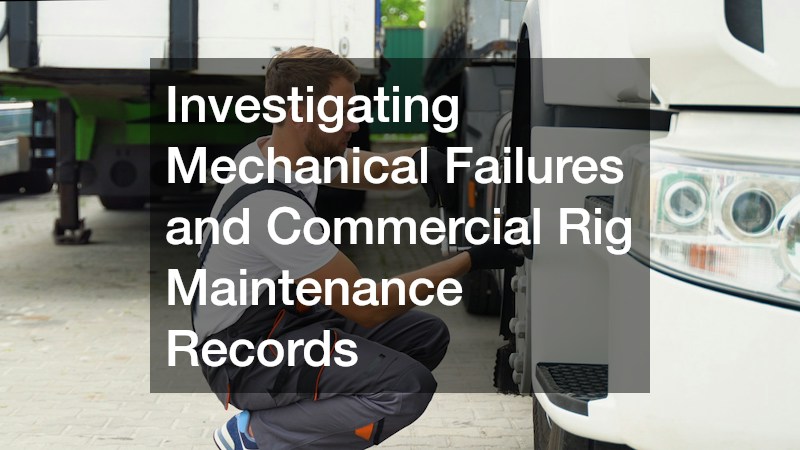
While driver error—such as fatigue, distraction, or speeding—is a leading cause of truck crashes, mechanical failure also plays a major role in commercial vehicle collisions. Determining whether equipment failure contributed to a crash requires investigating the truck’s maintenance history.
Commercial semi-trucks travel tens of thousands of miles every month, subjecting mechanical systems to intense wear and tear. Federal laws require motor carriers to execute systematic inspection, repair, and maintenance programs for every vehicle in their fleet. However, some negligent trucking fleets cut corners on routine service to keep rigs on the road and maximize profits.
Uncovering mechanical negligence requires auditing the fleet’s service records. Subpoenaing maintenance logs from the fleet’s certified diesel engine mechanic reveals whether required inspections were skipped or if known mechanical defects were ignored. Critical components that frequently fail due to poor maintenance include air brake systems, steering linkages, turbochargers, and tire treads.
Accident reconstruction experts can perform physical teardowns on the truck’s mechanical systems post-crash. If an expert discovers that failed brake pads, blown retread tires, or a faulty steering box caused the driver to lose control, liability can be established directly against the trucking company or third-party maintenance contractors.
- Audit fleet maintenance logs: Examine detailed service histories to identify skipped inspections or ignored repair tickets.
- Inspect critical mechanical systems: Analyze brake shoes, air lines, tires, suspension components, and steering assemblies for wear.
Vehicle Damage Assessments, Specialized Repairs, and Electrical Inspections
The physical impact of a multi-ton commercial truck on a smaller passenger vehicle usually causes devastating structural and mechanical damage. Properly evaluating, repairing, or declaring a total loss on your vehicle requires comprehensive technical inspections by qualified automotive professionals.
Following a severe collision, your vehicle should be towed directly to a licensed repair facility for a full structural teardown. certified auto mechanics can inspect the vehicle’s frame, unibody geometry, suspension mounts, and safety crumple zones. Undetected frame damage compromises the vehicle’s structural integrity, making it extremely dangerous to drive in the future.
Beyond visible body panel damage, modern vehicles contain complex electrical networks, computer modules, and delicate sensor arrays that are easily damaged during a heavy impact. Have technicians conduct complete electrical system scans and check your vehicle’s power delivery, utilizing professional car battery services to replace shorted batteries, damaged wiring harnesses, or crushed fuse boxes damaged during the collision.
If you drive a high-performance, European, or luxury vehicle, standard body shops may lack the specialized tools required for proper repairs. Ensure your vehicle is transferred to technicians who specialize in import auto repairs to guarantee that specialized aluminum panels, complex turbo systems, and advanced driver-assistance sensors (ADAS) are restored using genuine OEM parts.
- Authorize a full structural teardown: Have technicians inspect your vehicle’s frame and unibody for hidden structural damage.
- Run complete diagnostic computer scans: Scan all internal computer modules to detect hidden electronic and engine fault codes.
Working with Legal Experts to Maximize Financial Recovery

The ultimate objective of filing a personal injury claim after a trucking crash is securing the financial compensation necessary to make you whole again. Commercial trucking accidents often involve catastrophic damages, making accurate claim valuation critical to your long-term financial security.
Working alongside a skilled auto accident lawyer ensures that every dimension of your loss is calculated accurately. A comprehensive personal injury claim accounts for both immediate economic damages and long-term future losses. Your legal team will collaborate with medical experts, life-care planners, and economists to project future medical costs, home modification expenses, lost earning capacity, and physical pain and suffering.
Be prepared for pushback from commercial insurance carriers. Trucking insurers routinely offer lowball initial settlement offers shortly after a crash, hoping vulnerable victims will accept quick cash before the full extent of their injuries is known. Never sign a liability release or accept a settlement offer until your doctors confirm you have reached Maximum Medical Improvement (MMI).
If the trucking company or its insurer refuses to offer a fair settlement that fully covers your past and future losses, your attorney should be prepared to file a formal lawsuit. Taking your case to trial demonstrates to corporate defense teams that you will not accept anything less than full justice and maximum financial recovery.
- Calculate comprehensive damages: Include past medical bills, future healthcare costs, lost income, lost earning capacity, and pain and suffering.
- Consult with financial life-care planners: Project long-term medical care expenses for permanent disabilities or ongoing physical therapy.
Rebuilding Your Life After a Trucking Crash
Surviving a collision with a commercial semi-truck is a physically and emotionally draining experience, but you do not have to navigate the recovery process alone. By taking immediate action at the scene, prioritizing your medical care, collecting physical evidence, and securing experienced legal representation, you build a strong foundation for your physical and financial recovery.
Treat the aftermath of a trucking crash with the seriousness it demands. Focus on your health and physical healing while allowing dedicated legal and medical professionals to protect your rights, investigate the collision, and hold negligent trucking companies accountable. With a strategic plan and the right support system, you can secure the justice and financial resources you need to rebuild your life.