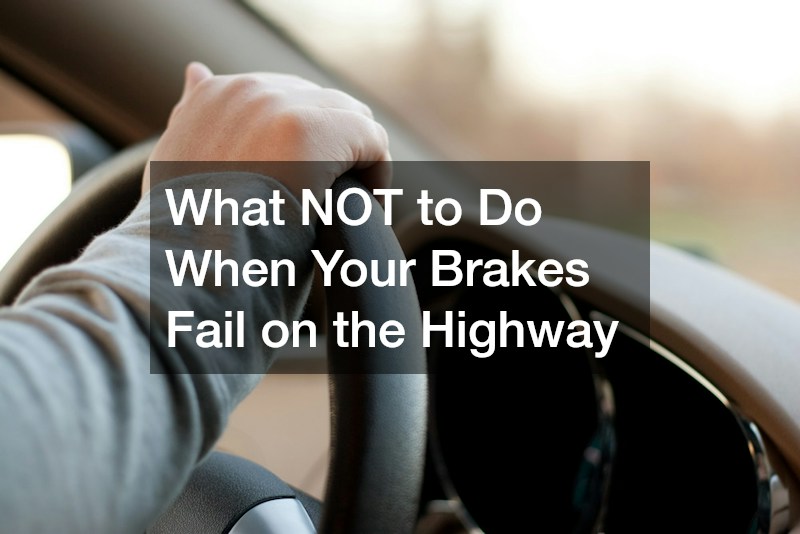
Picture this scenario: you are driving down a multi-lane highway at 65 miles per hour. The traffic around you is moving steadily, the radio is playing softly in the background, and your foot moves naturally from the accelerator toward the brake pedal as traffic begins to slow ahead. You press down, but instead of the reassuring resistance of hydraulic pressure, the pedal sinks all the way to the floorboards with zero resistance. You pump it once, twice—nothing. Your vehicle continues hurtling forward at highway speed, completely disconnected from its primary stopping mechanism.
Fatal Mistakes to Avoid the Second Your Brake Pedal Sinks
Mistake 1: Panicking and Slamming on the Gas Pedal
When panic strikes, driver coordination drops dramatically. Foot confusion is a well-documented psychological phenomenon during automotive emergencies, where a startled driver mistakenly slams their foot back down on the accelerator instead of the brake pedal, or presses both simultaneously.
- Accelerating Under Stress: Pushing the accelerator pedal at 60 MPH rapidly increases the vehicle’s kinetic energy, exponentially increasing the distance needed to stop and shortening your reaction time to avoid surrounding traffic.
- The Instant Reset: The absolute first action you must take when experiencing brake failure is to lift both feet completely off the pedals. Take a deep breath, establish control of your right foot, and turn on your emergency hazard lights immediately to warn drivers around you that your vehicle is experiencing a severe malfunction.
Mistake 2: Turning Off the Ignition While Moving
A common instinct among panicked drivers is to turn off the key or press the engine Start/Stop button in an attempt to cut power to the wheels. Doing this while traveling at highway speeds is an extraordinarily dangerous mistake.
- Loss of Power Steering: Shutting down the engine instantly cuts power to the hydraulic or electronic power steering pump. Steering the vehicle will suddenly require immense physical exertion, making precise maneuvering almost impossible.
- Steering Wheel Lock: Turning a mechanical ignition key to the “Off” or “Lock” position while in motion can engage the mechanical steering column lock. The moment you turn the steering wheel to avoid a car, the wheel will lock in place, sending your vehicle blindly into whatever lies directly ahead.
Mistake 3: Yanking the Parking Brake at Full Speed
Modern vehicles feature either a manual foot/hand-operated parking brake or an electronic parking brake (EPB). Reaching down and yanking the parking brake cable with full force while traveling at 65 MPH can instantly destabilize your vehicle.
- Rear-Wheel Lockup: Unlike primary foot brakes—which distribute stopping power to all four wheels—the parking brake operates exclusively on the rear wheels. Locking the rear wheels at high speed breaks tire traction, causing the rear end of the car to fishtail out of control or spin completely across multiple highway lanes.
- Gradual Application: The emergency brake should only be used after you have significantly reduced your speed through engine downshifting and coasting.
Preventing Future Mechanical Failures
Hydraulic brake systems rarely fail without warning. The vast majority of catastrophic highway failures stem from neglected fluid leaks, severely worn friction pads, or rotted steel brake lines that finally burst under high pressure.
- Routine Professional Inspections: Scheduling regular auto brake service with a certified technician ensures that your brake fluid is flushed, air bubbles are bled from the lines, and caliper seals are inspected for hydraulic leaks before you hit the highway.
- Comprehensive System Evaluation: Investing in an annual vehicle inspection helps identify compromised master cylinders, corroded lines, and worn anti-lock braking system (ABS) sensors early, eliminating the risk of a sudden pedal drop when traveling at high speeds.
Dangerous Driving Maneuvers That Cause Secondary Collisions
Once you have avoided initial panic mistakes, your primary objective is maintaining directional control within your lane while systematically bleeding off momentum. High-speed steering errors cause far more highway fatalities than mechanical failures themselves.
Mistake 4: Swerving Erratically Between Highway Lanes
When drivers realize they cannot stop, their immediate reaction is often to jerk the steering wheel back and forth to dodge cars ahead. High-speed swerving introduces lateral forces that modern vehicles—especially SUVs, crossovers, and pickup trucks—are ill-equipped to handle without active braking.
- Rollover Risks: Sudden, aggressive steering inputs at highway speeds shift the vehicle’s center of gravity rapidly from side to side, dramatically increasing the risk of a high-speed rollover.
- Multi-Car Pileups: Swerving across lanes without warning forces surrounding drivers to slam on their brakes or swerve into adjacent lanes, creating a chain-reaction pileup.
Mistake 5: Failing to Use Engine Downshifting
Many drivers driving automatic transmission vehicles forget that the engine itself can act as a powerful mechanical brake. Leaving the car in “Drive” allows the transmission to coast freely in high gear, maintaining high speeds for miles.
- Avoid Extreme Gear Shifts: Slamming an automatic selector into “Park” or “Reverse” at 60 MPH will not stop the car. On modern vehicles, electronic safety solenoids will block the shift entirely; on older vehicles, doing so will shear the transmission parking pawl or shatter internal gears, leaving the car free-wheeling in neutral without any engine braking benefit.
- Sequential Downshifting: Manually shift your transmission into lower gears sequentially (from 6th to 5th, then 4th, 3rd, and 2nd). In an automatic, push the gear selector into manual mode (“M” or “+/-“) or drop the shifter into “L” or “2”. As lower gears engage, high engine compression naturally drags down the driveshaft, rapidly slowing the vehicle without using the brakes.
Mistake 6: Ignoring Friction Opportunities and Highway Off-Ramps
Failing to observe your surrounding environment for natural stopping aids is a missed opportunity during a brake emergency.
- Runaway Truck Ramps: If traveling through mountainous or hilly terrain, keep an eye out for runaway truck ramps. These gravel-filled, inclined escape lanes are designed specifically to stop runaway vehicles safely without hydraulic brakes.
- Uphill Exit Ramps: Look for upcoming highway exits that incline sharply uphill. Steering your vehicle onto an uphill off-ramp utilizes gravity to scrub off massive amounts of speed quickly, bringing you to a controlled stop at the top of the ramp.
What NOT to Hit: High-Impact Hazards vs. Controlled Energy Dissipation
If downshifting and coasting fail to bring your vehicle to a complete stop before running out of open road, you must eventually use physical friction against external objects to absorb your remaining momentum. However, colliding with the wrong obstacle at speed is fatal.
Mistake 7: Steering Toward Rigid, Unyielding Obstacles
When faced with an unavoidable obstacle ahead, never steer your car toward fixed, immovable infrastructure.
- Lethal Fixed Objects: Colliding with a concrete block, concrete bridge abutment, thick tree, or steel utility pole forces your vehicle to come to an instantaneous stop. The sudden deceleration transfers violent g-forces directly into the passenger cabin, overriding crumple zones and causing severe or fatal physical trauma.
- Glancing Friction vs. Direct Impact: If you must use physical barriers to slow down, choose long, continuous metal guardrails. Angle your vehicle so the side panels scrape along the barrier at a shallow angle. The scraping metal absorbs kinetic energy gradually over hundreds of feet rather than stopping the car instantly.
Mistake 8: Tailgating Large Commercial Vehicles to “Block” Yourself
A common urban myth suggests that a car without brakes should intentionally bump into the back of a moving semi-truck or heavy dump truck to let the larger vehicle pull it to a stop.
- Underride Collisions: Bumping the rear of a commercial trailer at speed is exceptionally dangerous. If your front bumper slides under the truck’s rear crash guard, the trailer bed can shear through your windshield and roof posts, bypassing the vehicle’s engine crumple zone entirely.
- Soft Terrain Dissipation: Instead of targeting other vehicles, aim for soft, open terrain if you are traveling at reduced speeds (under 30 MPH). Steering onto wide grassy medians, shallow sand shoulders, or low guard-rail bushes allows the soft ground to bog down your tires and safely absorb kinetic energy.
Managing Post-Impact Vehicle Damage
When you are forced to use physical friction, guardrails, or soft terrain to bring a runaway car to a complete stop, your vehicle will sustain significant body and frame damage. Remember: sheet metal is replaceable; human life is not.
- Frame and Structural Integrity: Once the car is safely stopped, a thorough evaluation is required to determine whether high-speed friction or off-road impacts compromised the vehicle’s structural frame, requiring specialized car collision repair before the vehicle can ever be deemed roadworthy again.
- Cosmetic and Impact Absorber Repairs: Impacting bushes or scraping barriers often destroys exterior plastic panels and bumper reinforcement bars. Working with a facility that specializes in professional bumper repair ensures that safety sensors, impact foam, and structural brackets are rebuilt back to factory crash standards.
Post-Stop Hazards: What NOT to Do After Safely Reaching Zero MPH
Bringing your vehicle to a complete stop on the side of a busy highway is a massive victory, but the emergency is not over yet. The actions you take immediately after reaching zero MPH are critical to your personal safety.
Mistake 9: Stepping Out of the Vehicle Into Active Highway Traffic
One of the most dangerous mistakes a driver can make after surviving a mechanical breakdown is stepping out of the car while parked on a narrow highway shoulder.
- Secondary Traffic Hazards: Oncoming highway traffic is traveling at high speeds, and distracted drivers frequently drift onto paved shoulders. Exiting your vehicle puts you at extreme risk of being struck as a pedestrian.
- Stay Buckled Inside: Keep your seatbelt securely fastened, keep your hazard lights flashing continuously, and stay inside the steel safety cage of your vehicle. If your car is stopped on a dangerous curve or narrow shoulder, remain inside until highway patrol or emergency units arrive to block the lane and secure the perimeter.
Mistake 10: Attempting to Drive the Vehicle After It Comes to a Rest
Occasionally, a spongy brake pedal might temporarily regain partial pressure after cooling down or after a hydraulic pressure glitch resets. Never assume the system has “fixed itself.”
- Catastrophic Recurrence: Attempting to drive a vehicle that experienced a brake failure—even just to limp to the next exit—is an extreme risk. The moment you re-enter highway traffic, fluid loss or thermal brake fade will cause the pedal to drop straight to the floor again.
- Flatbed Transport Only: Once your car is stopped safely, turn off the engine, engage the parking brake, and immediately arrange for professional towing services. Your vehicle must be loaded onto a flatbed tow truck and transported directly to a qualified service facility without exception.
Navigating Repairs and Secondary System Damage
Slowing a heavy automobile without primary hydraulic brakes subjects the entire drivetrain, suspension, and body to immense thermal and mechanical stress.
- Selecting Diagnostic Specialists: Choosing a reputable local auto repair facility ensures that certified technicians can perform diagnostic pressure testing on your master cylinder, ABS control module, and flexible rubber brake hoses.
- Comprehensive Mechanical Overhauls: Bringing your car to a full-service auto repair shop allows mechanics to fix the underlying hydraulic leak, replace heat-damaged brake rotors, replace fried transmission fluid from severe downshifting, and inspect structural suspension arms that may have bent during off-road stopping.
Restoring Vehicle Safety Before Returning to the Road
Once your vehicle has been towed from the highway, repairing the primary brake failure is only the first part of restoring total vehicle safety.
Inspecting Tires and Wheels After High-Speed Friction Stops
Downshifting aggressively, dragging the emergency brake, or steering onto soft road shoulders subjects your tires to extreme heat, uneven friction forces, and physical impacts.
- Flat-Spotting and Sidewall Gouges: Locking up the rear wheels using the emergency brake creates severe flat spots on the tire tread, causing intense vibrations at highway speeds. Driving over shoulder debris can tear sidewall rubber or bend alloy wheel rims.
- Complete Wheel and Suspension Care: Visiting a professional tire service center allows technicians to dismount compromised tires, inspect internal rubber plies, replace damaged rubber, rebalance the wheel assembly, and perform a precision 4-wheel alignment to correct suspension geometry knockouts caused by curb or shoulder impacts.
Addressing Glass Damage from Off-Road Debris or Airbag Deployment
If your emergency stop involved scraping guardrails, driving through brush, or making low-speed contact with an obstacle, the vehicle’s glass structural envelope may be compromised.
- Windshield Stress Fractures: High-speed chassis flexing, gravel impacts, or body panel deformation can cause minor chips in your windshield to rapidly spiderweb across the glass, obstructing clear driver vision.
- Restoring Structural Cabin Integrity: Modern automotive glass is a structural load-bearing component of the vehicle’s roof strength. Utilizing specialized auto glass repair services ensures that cracked windshields or shattered side windows are replaced with factory-laminated safety glass, preserving structural roof strength and ensuring clear, distortion-free visibility for future highway trips.
Experiencing a complete brake failure on a high-speed highway is a terrifying test of driver composure. Yet, as dangerous as a total hydraulic failure is, a vehicle does not instantly become uncontrollable the moment the brake pedal sinks to the floorboards.
By understanding what not to do—avoiding sudden acceleration, keeping the ignition running, resisting high-speed swerving, and never driving a compromised vehicle after stopping—you maintain total control over physical forces. Mental preparedness overrides physical panic every time.
Investing in preventative vehicle maintenance, listening for warning squeals, flushing brake fluid regularly, and reacting calmly during a crisis ensures that even if the unexpected happens, you possess the knowledge, skill, and confidence required to bring yourself, your passengers, and your vehicle safely home.