As we move further into 2026, the definition of a “reliable vehicle” has undergone a radical transformation. Only a few years ago, a well-maintained car meant one with fresh oil, clean filters, and a belt that didn’t squeak. Today, a modern high-tech vehicle is essentially a high-performance computer encased in an aerodynamic shell. It is a complex ecosystem of software, sensors, and interconnected hardware that requires a completely different mindset toward ownership. If you treat a 2026 electric or hybrid vehicle with the maintenance logic of 1996, you aren’t just risking a breakdown—you are risking a cascading system failure that could cost more than the car’s remaining equity.
The shift toward the “Software-Defined Vehicle” means that maintenance is no longer just about preventing mechanical wear; it is about protecting the integrity of the data and the precision of the sensors. When your car can steer itself through a construction zone or detect a pedestrian in pitch-black conditions, the mechanical components must work in perfect harmony with the digital ones. This guide is designed to help the modern owner navigate this transition, providing the technical depth needed to keep your high-tech investment running at peak performance for years to come.
Managing Friction and Regeneration in Modern Stopping Systems
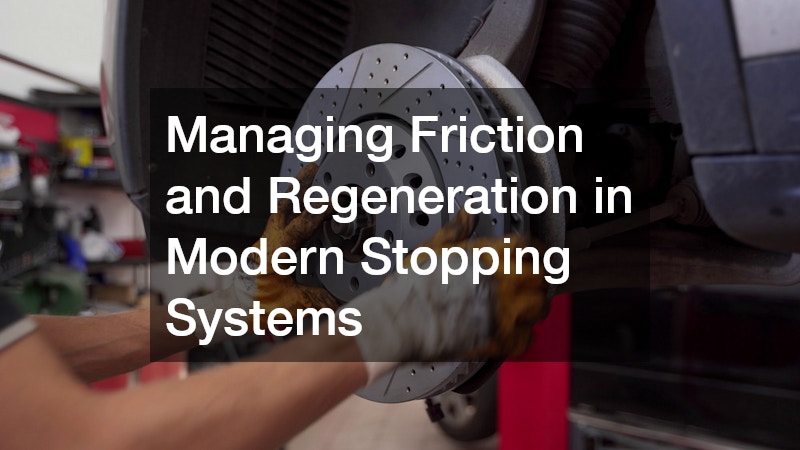
The most significant change in modern braking is the move toward “brake-by-wire” and regenerative systems. In an electric or hybrid vehicle, the traditional hydraulic brakes often act as a secondary backup to the electric motors, which do the heavy lifting of slowing the car down to recapture energy. This creates a unique maintenance paradox: because the physical pads are used less frequently, they are prone to issues like glazing, rust, or “stuck” calipers from lack of movement. Owners often mistakenly believe that because they have an EV, they never need to think about their brakes. In reality, the complexity of the electronic actuators and the software that blends physical and regenerative braking means that a specialized auto brake replacement is a more delicate procedure than ever before.
Even though the pads might last 100,000 miles, the fluid and the sensors that monitor pad thickness and heat must be checked annually. Moisture is the silent killer of modern braking systems. If water enters the hydraulic lines, it can interfere with the high-precision valves that allow your vehicle to perform emergency maneuvers. Identifying the specific wear patterns or software alerts that signal the need for a precision brake repair is essential for maintaining your energy recovery efficiency. If the mechanical side of the system is dragging or misaligned, your car won’t be able to coast or regenerate power effectively, leading to a noticeable drop in your driving range.
To keep your stopping power at 100%, follow these guidelines:
- The “Use It or Lose It” Rule: Occasionally perform a firm stop in a safe, empty area to engage the physical pads and clear any surface oxidation or debris that has accumulated during regenerative-only driving.
- Fluid Hygiene: Have your brake fluid tested for copper content and moisture every two years. High-tech sensors in the master cylinder are extremely sensitive to contaminants.
- Actuator Calibration: During every service, ensure the technician checks the electronic parking brake and the “by-wire” actuators for software faults.
- Hardware Inspections: Just because the dash doesn’t have a light doesn’t mean the hardware is perfect. Physical inspections are still the only way to catch a hairline crack in a rotor or a torn dust boot.
Deciphering the Digital Code of Onboard Diagnostic Platforms
Modern vehicles generate terabytes of data every single day. This information is the heartbeat of your car’s maintenance strategy. In 2026, the “Check Engine” light has been replaced by sophisticated telematics systems that can send a notification to your smartphone months before a component actually fails. This predictive maintenance is a game-changer, but it requires the owner to be proactive about digital hygiene. If you ignore a software update, you might be leaving your car vulnerable to “phantom” mechanical issues or, worse, safety vulnerabilities. When you are looking for high-end auto repair services, the first thing you should check is whether the facility has the high-speed data links required to communicate with the manufacturer’s servers.
The reality of modern auto repair is that a technician is often more likely to reach for a diagnostic tablet than a socket wrench. A sophisticated vehicle uses a Controller Area Network (CAN bus) to allow various “brains” or ECUs (Electronic Control Units) to talk to each other. If the battery sensor isn’t talking to the alternator, your car might stall, even if both parts are physically healthy. This is why software-driven maintenance is the most effective way to prevent long-term damage to the high-voltage systems in modern vehicles.
Consider these digital maintenance checkpoints:
- Over-the-Air (OTA) Management: Never postpone a firmware update. These often contain critical patches for thermal management systems that protect your expensive battery pack.
- Data Privacy: Periodically clear your car’s cache of personal data, especially if you use integrated apps for navigation or entertainment.
- Sensor Cleaning: The software is only as good as the data it receives. Keep the lenses of your cameras and the face of your radar sensors clear of road grime to prevent false-positive alerts.
- Battery Health Monitoring: Use your vehicle’s app to track “State of Health” (SoH) metrics. Rapid drops in health can often be addressed with a software re-balancing of the cells.
Protecting the Sensory Shell of Advanced Collision Avoidance

The exterior of a modern car is no longer just metal and plastic; it is a “sensory shell.” Your bumpers, mirrors, and even your windshield are embedded with LiDAR, ultrasound, and cameras that allow for Advanced Driver Assistance Systems (ADAS). This makes the body of your car much more delicate than it appears. In the past, a small scuff on the corner of the car was merely a cosmetic issue. Today, that same scratch might be directly over a blind-spot radar, rendering your lane-change assist useless. This is why even a seemingly minor car repair now involves a complex process of sensor recalibration to ensure the car’s “eyes” are pointing in exactly the right direction.
If you are involved in a minor “fender bender,” the mechanical integrity of the plastic isn’t the only concern. A specialized bumper repair now requires the technician to check the mounting brackets for the internal sensors. If a radar unit is tilted by even one degree, it could fail to detect a vehicle in the lane next to you or, conversely, trigger an emergency stop for an object that isn’t in your path. The precision required for these repairs is measured in millimeters, and the software tools needed to reset these systems are often proprietary to the manufacturer.
Protecting your vehicle’s sensors involves more than just careful driving:
- Windshield Integrity: If you get a chip in your windshield, have it fixed immediately. Most modern cars have a forward-facing camera mounted behind the rearview mirror; a crack in the glass can distort the image and disable your emergency braking.
- Paint Thickness Matters: If a bumper is repainted, the thickness of the paint can actually interfere with ultrasound sensors. Always ensure your shop follows the manufacturer’s specific painting protocols.
- Winter Maintenance: Road salt and slush can “blind” sensors. During winter months, use a soft cloth and non-abrasive cleaner to wipe down the sensors located in the grille and the rear quarters.
- Calibration Verification: After any bodywork, ask for a “post-repair scan” report that proves all ADAS systems have been successfully recalibrated and are communicating without errors.
Preserving the Structural Balance of High-Performance Rolling Assemblies
Wheels have evolved from simple metal rims into high-performance components designed for both aerodynamics and weight reduction. In electric vehicles, the weight of the battery makes the car significantly heavier than a gasoline equivalent, which puts immense stress on the wheels and tires. Furthermore, many modern wheels feature “aero-inserts” or specialized coatings designed to reduce wind resistance and increase range. If you curb a wheel, you aren’t just damaging the look; you might be compromising the aerodynamic balance of the car. Specialized wheel repair services are now essential for maintaining the structural integrity of these lightweight alloys, as traditional “hammer and pull” methods can cause micro-fractures in the metal.
The environment in which these repairs take place is also changing. A high-tech vehicle requires a high-tech facility. When you step into a modern auto repair shop, it should look more like a laboratory than a traditional garage. The presence of precision alignment racks that integrate with the car’s steering-angle sensors is a must. If your car has autonomous features, a simple alignment isn’t enough; the technician must “teach” the car’s computer where the new center-point of the steering is, or the vehicle will constantly fight itself to stay in the lane.
To keep your vehicle rolling smoothly, monitor these areas:
- Tire Load Ratings: Always check that your replacement tires have the “HL” (High Load) or “EV” designation. Standard tires will wear out in half the time due to the weight of modern battery packs.
- Vibration Analysis: If you feel a vibration at high speeds, it may not just be a balance issue. It could be a software conflict in the electric power steering or an issue with the foam insulation inside “quiet-technology” tires.
- Torque Specifications: High-tech wheels use specific alloys that can be damaged by over-tightening. Ensure your technician uses a calibrated torque wrench rather than an impact gun.
- Rim Protection: Consider “rim guards” or similar products if you live in an area with narrow streets or high curbs, as the cost of replacing an aerodynamic alloy wheel can be staggering.
Vetting Your Technical Partners for Software and Hardware Integration

Choosing who works on your car is the most important maintenance decision you will make. The “neighborhood mechanic” who hasn’t invested in digital training or cloud-based diagnostic tools is no longer a viable option for a high-tech owner. You need a partner who understands the “Right to Repair” landscape of 2026 and who has invested in the certifications required to work on high-voltage systems. When evaluating local auto repair services, look for shops that offer “Digital Vehicle Inspections” (DVI). These reports send photos, videos, and diagnostic data directly to your phone, providing a level of transparency that was impossible a decade ago.
Building a long-term relationship with a technician is about more than just finding someone you trust; it’s about creating a consistent data history for your car. A technician who sees your vehicle every six months will notice subtle changes in your battery’s thermal performance or your motor’s noise floor. This consistency is the core of a professional auto repair strategy. By keeping all your records in one place—ideally in a digital format that can be transferred if you sell the car—you are significantly increasing the future resale value of your vehicle.
When choosing a service partner, ask these four questions:
- Are you certified for my specific powertrain? Working on an EV or a complex hybrid requires specialized safety training to handle high-voltage components.
- Do you have a direct data link to the manufacturer? Without this, the shop may be unable to perform critical software updates or “handshake” new parts with the car’s computer.
- What is your calibration process for ADAS? If they don’t have a dedicated space and the proper targets for camera/radar calibration, they shouldn’t be doing body or alignment work.
- Do you provide a digital health report? A modern shop should provide you with a comprehensive scan of all onboard modules, not just a verbal “everything looks fine.”
Conclusion: The Future of Proactive Ownership

The automotive world has changed, but the goal of maintenance remains the same: peace of mind. By embracing the high-tech reality of your 2026 vehicle, you are doing more than just protecting a machine; you are ensuring that your daily travels remain safe, efficient, and enjoyable. Proactive ownership today means being as comfortable with a software interface as you are with a tire pressure gauge. It means understanding that your car is constantly talking to you, and it is your job to listen to the data it provides.
As we look toward the future, the integration of artificial intelligence and real-time telematics will only make these systems more sophisticated. The owners who thrive in this new era will be the ones who treat their vehicles as the high-value technology investments they truly are. By following the protocols of professional vetting, sensor protection, and digital hygiene, you ensure that your car remains a reliable partner on the road, no matter how far technology advances. The road ahead is smarter, faster, and more connected than ever before, and your maintenance strategy should be too.